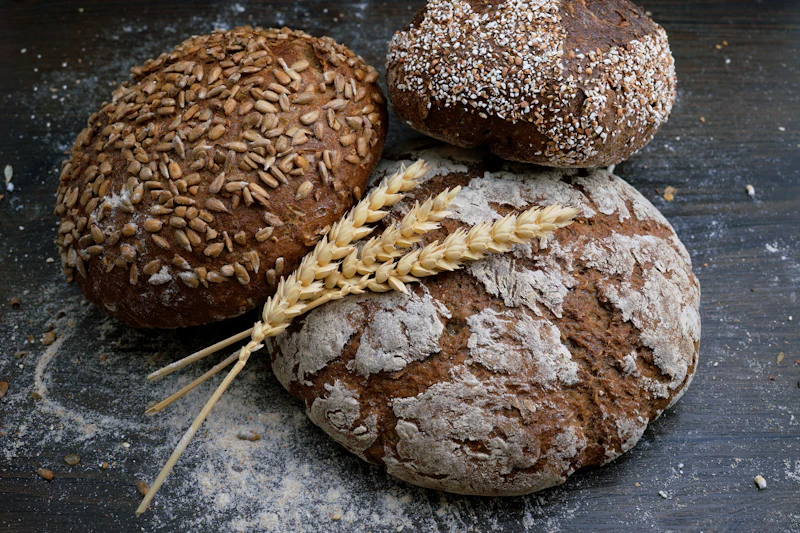
There is a particular quiet that settles over a kitchen at six in the morning when a loaf is in the oven. The crust crackles as it cools, the smell drifts down the hallway, and for a moment the whole house slows down. That feeling, more than any trend, explains why so many of us have become devoted to sourdough.
Unlike commercial yeast breads, sourdough rises with a starter — a living culture of wild yeasts and lactic acid bacteria that you feed with flour and water. It is slower, less predictable and far more forgiving than its reputation suggests.
What a starter actually does
A starter is a tiny ecosystem. The yeasts produce carbon dioxide, which lifts the dough, while the bacteria produce acids that give the bread its gentle tang and help it keep for days. Because the fermentation is long, the flavour has time to develop in a way that a quick, yeasted loaf simply cannot match.
The best bread isn't made quickly. It's made patiently, with very little effort spread across a long time.
Starting your own in seven days
You need nothing more than a clean jar, wholemeal or rye flour, and water. Each day:
- Mix equal weights of flour and water — 50 g of each is plenty.
- Cover loosely and leave at room temperature.
- After 24 hours, discard half and feed again with fresh flour and water.
- Repeat until the starter reliably doubles within four to eight hours of feeding.
Expect bubbles by day three, a sour smell by day four and, somewhere around the end of the first week, a starter that is strong enough to bake with.
The three variables that matter
Hydration. The ratio of water to flour determines how open the crumb will be. Start around 70% — wetter doughs are harder to shape but reward you with those glossy, irregular holes.
Temperature. Warm dough ferments faster; cool dough develops more flavour. Many bakers shape in the evening and let the loaf proof overnight in the fridge.
Time. Learn to read the dough rather than the clock. It should feel airy, domed and slightly jiggly before shaping.
Bake it hot
Bake in a preheated cast-iron pot at around 250°C with the lid on for the first twenty minutes. The trapped steam lets the loaf expand fully before the crust sets. Remove the lid and bake until the crust is a deep, burnished brown — darker than you think. That colour is flavour.
Then comes the hardest part: wait at least an hour before slicing. The crumb is still setting as it cools, and patience, as ever, is the secret ingredient.