Dogs communicate constantly, but mostly with their bodies rather than their voices. Many bites and fearful reactions are preceded by a series of small, clear signals that people simply miss. Learning to read them makes you a better companion — and keeps everyone safer.
Look at the whole dog
No single signal tells the full story. A wagging tail, for example, only means a dog is aroused or engaged — not necessarily happy. Always read the ears, eyes, mouth, posture and tail together, along with the situation your dog is in.
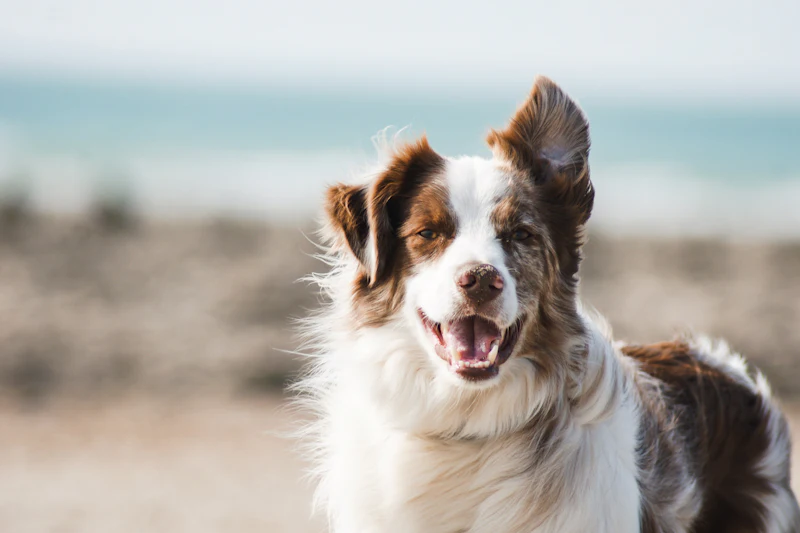
Signs of a relaxed dog
- A loose, wiggly body and a soft, slightly open mouth.
- Ears in their natural position for the breed.
- A tail held at a neutral height, wagging in broad, sweeping motions.
- Soft eyes with a normal blink.
Subtle signs of stress
These are often called calming signals, and they are easy to overlook:
- Lip licking or tongue flicks when no food is around.
- Yawning in a situation that isn’t sleepy.
- Turning the head away or avoiding eye contact.
- “Whale eye” — showing the whites of the eyes while the head stays still.
- Sudden sniffing of the ground, or shaking off as if wet when dry.
When a dog yawns, licks their lips and looks away, they are politely asking for space. Listening is the kindest thing we can do.
Signals that mean “back off”
A stiff, frozen body, a hard stare, a closed mouth, raised hackles or a low growl are all clear warnings. Never punish a growl. It is an honest form of communication, and dogs who learn that growling gets them in trouble may skip straight to a snap next time.
The joy of the play bow
Front legs down, bottom in the air, tail wagging: the play bow is an invitation to have fun. It is also used during play to say, “Everything I’m about to do is just a game.”
Putting it into practice
Spend a week simply observing your dog in different situations: greeting visitors, on a walk, at the vet, being petted. You’ll soon start to recognise their personal vocabulary — and respond before small worries become big ones.