Hamsters are charming, compact and endlessly entertaining to watch. They are also frequently misunderstood. Before you bring one home, it’s worth knowing what these little animals really need to thrive.
They’re night owls
Hamsters are mostly nocturnal or crepuscular, meaning they are most active in the evening and at night. If you’re hoping for a pet to play with during the day, a hamster may disappoint. Waking a sleeping hamster can also make them stressed and nippy.
Some prefer to live alone
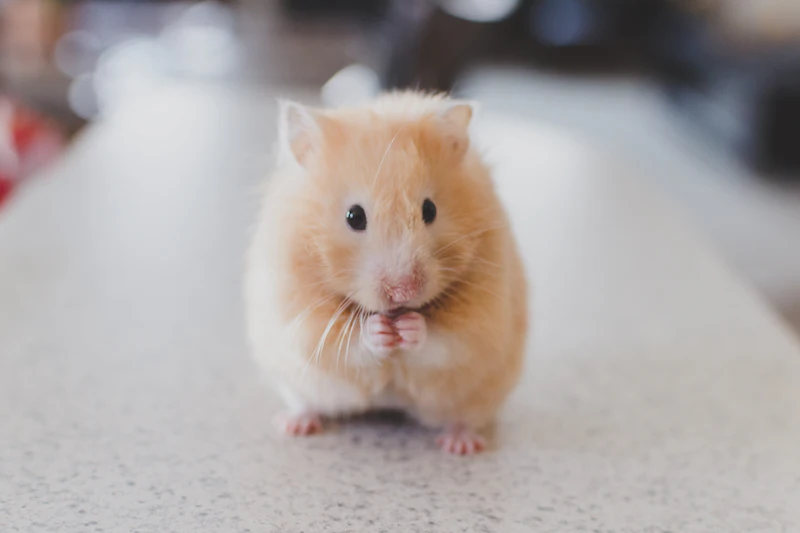
Syrian hamsters — the larger, golden variety — are strictly solitary and must live alone once they mature. Housing two together often leads to serious fights. Some dwarf species can live in pairs, but even then, conflict is common. Research your species carefully.
Bigger is better
Many cages sold for hamsters are far too small. Hamsters can travel long distances each night in the wild, and they need room to roam, dig and explore. Look for the largest enclosure you can fit, with a generous continuous floor space.
A hamster’s home isn’t just a cage. It’s their entire world — so make it a big one.
Dig deep
Hamsters love to burrow. Provide a deep layer of paper-based bedding so they can build tunnels and nests. Add hides, tunnels, chew toys and a sand bath.
Choose the right wheel
A solid-surface wheel is essential, and it must be big enough that your hamster can run without arching their back. Syrian hamsters need a noticeably larger wheel than dwarf species.
Handling with patience
Let your new hamster settle in for several days before attempting to handle them. Start by offering treats from your open hand, and always scoop from underneath rather than grabbing from above, which can feel like a predator attack.
A short but rich life
Hamsters typically live around two to three years. That shorter lifespan can make them a good fit for some families — but it also means every day of good care counts.
If you can offer a large, enriching home and enjoy quiet evenings watching a tiny creature go about their busy business, a hamster might be the perfect small companion.